Kootenay Woman
Snowbrush Tea Leaves (Ceanothus velutinus)
Snowbrush Tea Leaves (Ceanothus velutinus)
Couldn't load pickup availability
What is Snowbrush Tea?
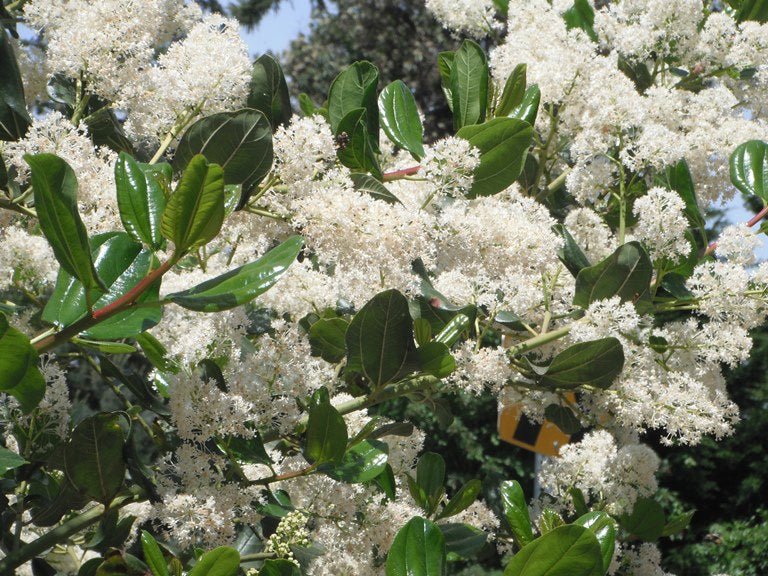
Snowbrush (Ceanothus velutinus) is a wild mountain shrub known for its aromatic, glossy leaves. Our wild-harvested Snowbrush Tea offers a unique, earthy flavor and is traditionally used to support well-being and respiratory comfort.
I'm Sarah, and I wild-harvested these snowbrush leaves from the pristine areas of the Kootenays. The distinctive perfume of these leaves is my second-favorite scent in the entire forest (second only to cottonwood buds!). If you've ventured into the Pacific Northwest mountains, you may have caught this unforgettable aroma yourself. Every batch is hand-harvested and dried with care.
Snowbush Leaf Tea
Free Snowbrush Leaf Usage Guide
You won't find this at the grocery store. The distinctive perfume of these leaves will stay with you and leave you wanting more. As a lifelong forager, this is my second-favorite perfume in the entire forest (second only to cottonwood buds!). If you've ever ventured into the alpine heights of the Pacific Northwest, you may have caught this scent for yourself. It's unforgettable.
A note about weight for this leaf: one packed quart of fresh leaves equals 30 grams of dried leaves. This is a large amount, enough for over a gallon of tea or multiple oil infusions and decoctions. 15 grams of dried leaves represents a packed pint of fresh leaves and it's enough for nearly two litres of tea.
About Snowbrush:
Snowbush (Chimaphila umbellata), also known as Red Root, Buck Brush, Deer Brush, and New Jersey Tea, is a delicate, evergreen shrub that thrives in the cool, acidic soils of coniferous forests across North America.. With leathery, serrated leaves and small, bell-shaped flowers, it adds a touch of vibrant green to the forest floor. Snowbush possesses a subtle, slightly sweet aroma with hints of wintergreen.
Traditional & Herbal Uses:
Snowbrush has a long history of traditional use by Indigenous peoples. Traditionally, it was valued for its aromatic qualities and use in wellness teas and topical washes.
How to Use:
-
Snowbush Leaf Tea:
- Preparation: Place 1-2 teaspoons of dried Snowbush leaves in a tea infuser or loose leaf strainer.
- Steeping: Pour 8 ounces of freshly boiled water over the leaves.
- Steeping Time: Steep for 5-7 minutes.
- Enjoy: Remove the infuser and enjoy the tea hot or cooled. Add honey or lemon to taste.
-
Snowbush Leaf Poultice:
- Preparation: Grind dried Snowbush leaves into a fine powder using a mortar and pestle or a coffee grinder.
- Application: Mix the powder with a small amount of water to form a thick paste.
- Application: Apply the paste directly to the affected area of the skin.
- Leave-on Time: Leave the poultice on for 15-20 minutes, then rinse thoroughly with warm water.
-
Snowbush Leaf Oil Infusion:
- Preparation: Fill a clean jar with fresh or dried Snowbush leaves.
- Oil Addition: Cover the leaves completely with a high-quality carrier oil such as olive oil or jojoba oil.
- Infusion: Seal the jar tightly and place it in a warm, dark location for 2-4 weeks.
- Straining: Strain the oil through a fine-mesh sieve or cheesecloth into a clean bottle.
- Use: Apply the infused oil topically to the skin as needed.
The Glade Taught Me This
Every forest is irreplaceable. The Glade, a meadow on HooDoo Mountain where I learned to read the forest's language, was logged when I was young. I wildcraft now with that loss in my heart—taking only what I need, protecting what remains. 10% of every purchase supports the Canadian Ancient Forest Alliance. Read The Glade story →
Share

Precautions:
You should consult with a qualified healthcare practitioner before using any herbal products, particularly if you are pregnant, nursing, or on any medications.
All information on this website is for educational purposes ONLY.
This information has not been evaluated by Health Canada.
This information is not intended to diagnose, treat, cure, or prevent any disease.